Dr Mandy Pierlejewski.
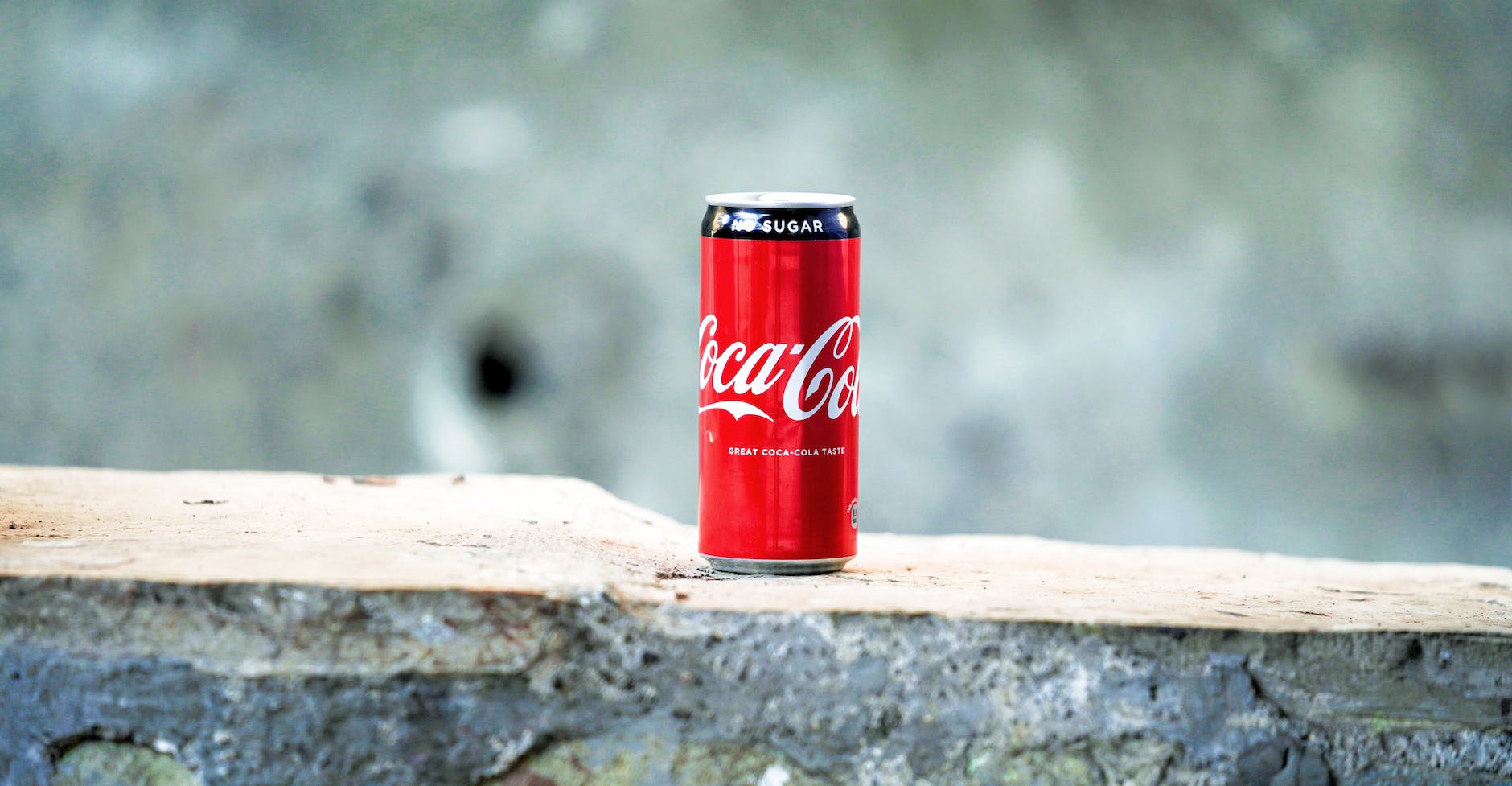
This week, at universities across the UK, Coca-Cola were giving away free samples of their newly packaged bottles of Coke Zero. I noticed that although the bottles were made of a recycled material which was a little darker than the original bottles, essentially the branding was exactly the same. Every Coca-Cola product is easily recognisable by its shape, its familiar logo and its use of the Coca-Cola red colour. This got me thinking about branding.
The Branding Journal describe branding as the physical and emotional properties which are associated with a product in the customer’s mind. It is about creating a particular concept of the product through such aspects as the logo, the design, the multi-sensory appeal and the language used about it.
The introduction of academies in 2000 under the New Labour government signified a move away from education as a public service towards education as a business, just like Coca-Cola. This has been called the marketisation of education and includes the introduction of competition between schools, the move away from state control and the autonomy of academies and multi academy trusts to govern themselves. Guy Roberts Holmes and Peter Moss discuss this in their book on neoliberalism and early childhood education, identifying three aspects of the marketisation of the public sector. These are: competition, choice and calculation. Competition between schools is based on the notion that competition raises standards as each school attempts to achieve higher results than their competitors. This is fuelled by the idea that parents can choose where to send their children and depends on calculations of the effectiveness of each institution.
This move away from education as a public service towards education as a market involves branding. The branding of a school is essential to attract new customers in the form of parents. It involves both the physical aspects of the school, such as its design, logo, school uniform and buildings as well as the emotional aspects such as the perception of the school as a good place to educate children.
Each child in the school represents this branding. They are an advertisement for the school, communicating to parent-clients the concept of the product. Like the Coca-Cola bottle, they present a unified, recognisable look which adds to the effectiveness of the brand. Like the Coca-Cola drink inside the bottle, they must also represent the school on the inside. Their behaviour must be of the best quality and cannot deviate from the stipulated rules and regulations. All Coca-Cola drinks must taste the same, just as all pupils must embody the values and behaviour of the school. In this way, the pupils become the product which the school manufactures. Branding demands that they are all the same, both inside and out.
But what happens when schools are reminded that pupils are actually not products but individual people with their own unique needs and desires? This problem came under the spotlight in the national press recently when the first week back to school in September 2023 proved to be unseasonably hot. Articles in The Sun, The Daily Mail and The Guardian all focused on inflexible rules about school uniform which prevented pupils in secondary schools from wearing clothing which was appropriate for the weather. Many children were forbidden from removing their blazers or wearing cooler clothing despite the fact that temperatures in some parts of the UK reached 30c. Schools argued that strict school uniform policies prepare children for the world of work. However, The Guardian reported that only 5% of workplaces actually have a uniform and even most bankers are not expected to wear a suit and tie to work.
The reasoning behind the strict uniform code is clearly not based on the idea that school prepares children for employment. I suggest that it is far more about the branding of the school. Like those Coca-Cola bottles, every child must look identical and any change in the regulations would compromise the brand. When children are treated like products, their physical and emotional needs are ignored in favour of the product design. This approach dehumanises children and can cause them significant physical and emotional harm: it is, in fact, a form of violence.
 Altered States of Academia
Leave a comment